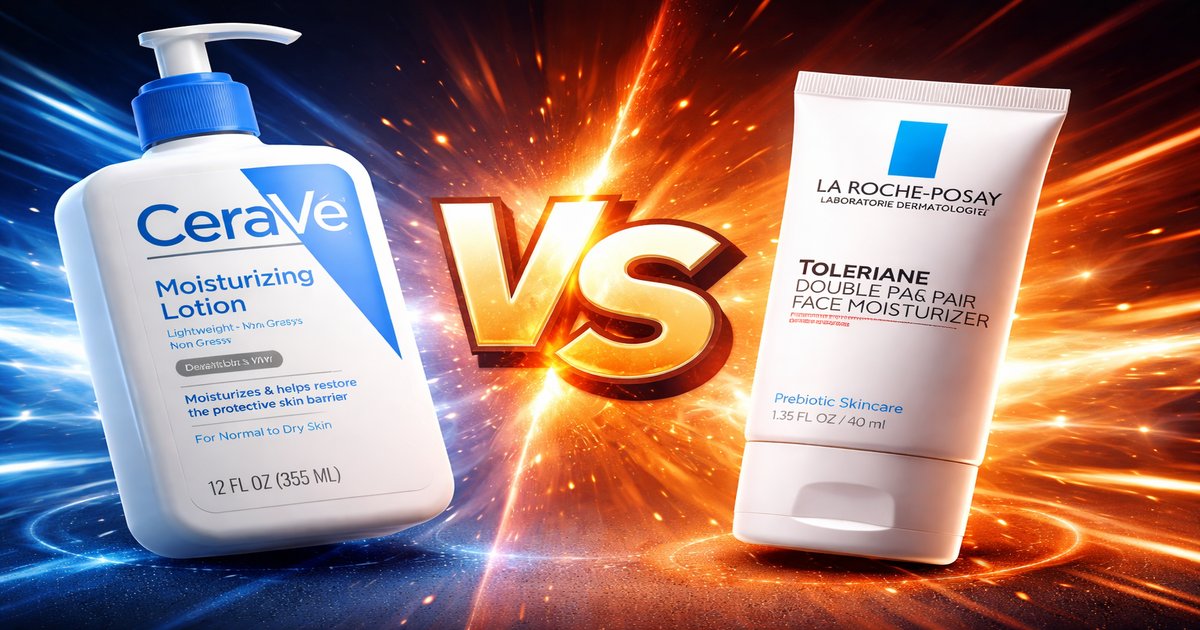
You’ve got sensitive skin, and finding the right skincare product can feel like navigating a minefield. Avene and La Roche-Posay are two popular contenders, both hailed for their gentle, effective formulas. But which one deserves a spot in your bathroom cabinet?
| Feature | Avene | La Roche-Posay |
|---|---|---|
| Key Ingredient | Thermal Spring Water | Thermal Spring Water |
| SPF Options | ✓ | ✓ |
| Fragrance-Free | ✓ | ✓ |
| Paraben-Free | ✓ | ✓ |
| Price Range (USD) | 20-40 | 15-35 |
| Range of Products | Broad | Extensive |
| Dermatologist Recommended | ✓ | ✓ |
✅ avene Pros
- Excellent for very sensitive skin types.
- Products tend to be more hydrating.
- Strong focus on calming and soothing skin.
❌ avene Cons
- Generally more expensive.
- Some products can feel heavy on the skin.
- Limited availability in certain regions.
✅ la roche posay Pros
- Wider range of products addressing various skin concerns.
- More affordable options available.
- Lightweight formulas that absorb quickly.
❌ la roche posay Cons
- Some users report irritation with certain products.
- Inconsistent results across different skin types.
Performance: How They Stack Up in Real Life
Avene’s products are like a comforting blanket for your skin. If you experience frequent irritation, redness, or just have a highly reactive skin type, Avene’s formulations are your go-to. Their focus on ultra-soothing, hydrating products means your skin feels calm and nourished after every use. On the flip side, La Roche-Posay offers a more diverse lineup to tackle a wider range of skin issues from acne to aging. Their products are generally lighter, making them ideal if you dislike heavy creams or live in a humid climate. Choose Avene for soothing; go with La Roche-Posay for versatility.
Build Quality: Which Brand Delivers Better Results?
Avene products are formulated primarily with their signature Thermal Spring Water, renowned for its soothing properties. This makes their build quality excellent for those with sensitive skin. The formulations are simple yet effective, concentrating on reducing irritation and providing deep hydration. La Roche-Posay also uses Thermal Spring Water but combines it with other active ingredients tailored for specific skin issues. Their build quality is robust, providing targeted solutions. If you’re looking for a specialized solution, La Roche-Posay might have the edge, but for reliable skin calming, Avene is the champ.
Value: What Do You Get for Your Money?
La Roche-Posay tends to be more budget-friendly, offering a variety of products at different price points, which is a boon if you’re skincare shopping on a tight budget. The value here is in the range of products that cater to many different skin issues without breaking the bank. Avene, while generally pricier, delivers excellent value for people with specific needs for calming and hydration, making it worth the investment if those are your primary concerns. If you’re focused on value and range, La Roche-Posay offers more bang for your buck.
Avene’s main drawback is its price—you’re paying a premium for that soothing formula. For La Roche-Posay, the downside is that some products may not deliver consistent results for everyone, especially if your skin is extremely sensitive. Both brands are excellent, but keep your specific needs in mind.
Our Final Verdict: Which One Should You Buy?
If your skin is ultra-sensitive and you’re prone to redness or irritation, Avene is your best bet. Their products are designed to calm and hydrate, making them ideal for anyone seeking relief from sensitivity. However, if you’re looking for a more versatile line-up that addresses multiple skin concerns without emptying your wallet, La Roche-Posay is the way to go. Their range offers something for everyone at a more accessible price point.
Is Avene suitable for acne-prone skin?
Avene focuses on calming and hydrating, which can help reduce inflammation in acne-prone skin, but it may not be the most effective in treating acne directly.
Can La Roche-Posay be used on very sensitive skin?
Yes, but with caution. While many of their products are made for sensitive skin, some can cause irritation. It’s best to patch test first.
How long do these products last?
Both brands provide products that generally last 6-12 months, depending on usage frequency. Always check the expiration date on the packaging.