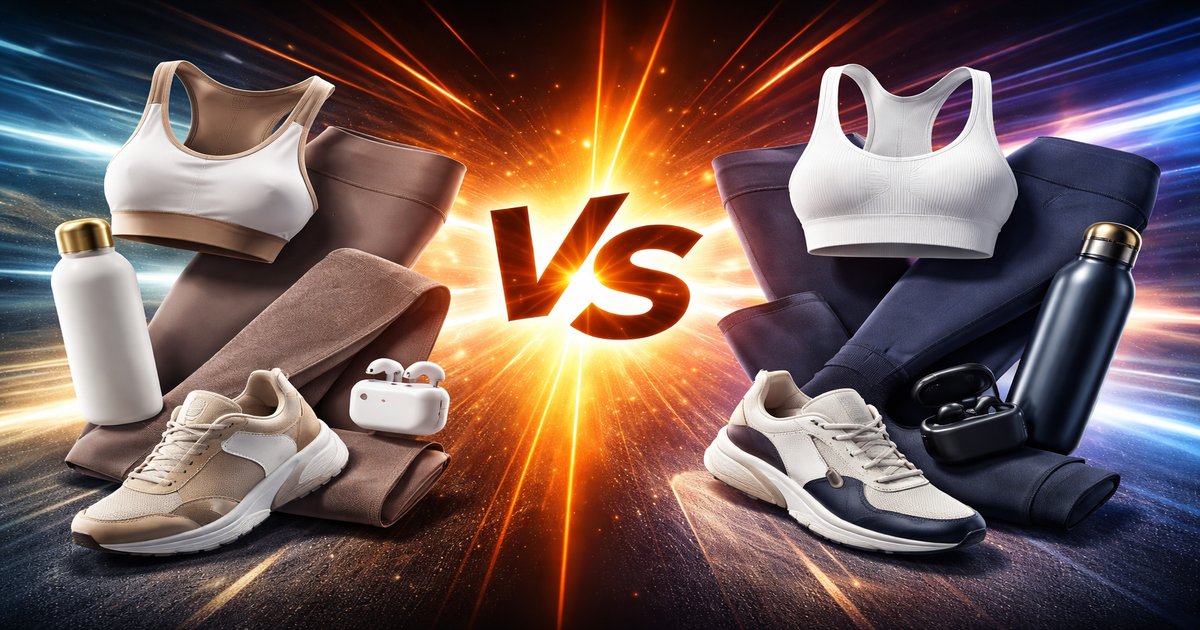
Picture this: You’re on the hunt for some new workout gear and find yourself torn between the classic Gap and its more budget-friendly sibling, Gap Factory. Both promise style and comfort, but which one is really worth your time and money?
| Specification | Gap | Gap Factory |
|---|---|---|
| Price Range | $30 – $150 | $20 – $90 |
| Material Quality | High | Moderate |
| Design Variety | ✓ | ✓ |
| Availability of Sizes | ✓ | ✓ |
| Durability | High | Moderate |
| Exclusive Collections | ✓ | ✗ |
✅ gap Pros
- Superior material quality that withstands frequent washing.
- Exclusive collections that offer unique styles.
- Consistent sizing that matches standard measurements.
❌ gap Cons
- Higher price point may be off-putting for budget shoppers.
- Some styles may feel too traditional for trendsetters.
✅ gap factory Pros
- More affordable, making it a great option for budget-conscious buyers.
- Offers a good range of designs similar to Gap.
- Frequent sales and promotions that maximize savings.
❌ gap factory Cons
- Material quality isn’t on par with Gap, affecting longevity.
- Limited exclusive collections, often lacking unique pieces.
Performance and Material Quality
When it comes to material quality, Gap stands out with its high-grade fabrics that feel soft yet durable. Whether you’re powering through a HIIT session or lounging on a rest day, you can count on Gap gear to keep its shape and comfort. Gap Factory, while offering similar styles, often uses less expensive materials that may wear out quicker. If you’re planning to put your gear through the wringer, Gap’s superior fabric is worth the investment.
Price vs. Value
Gap Factory shines brightly for those on a tighter budget, delivering styles at a fraction of Gap’s prices. However, the lower cost comes with a trade-off in durability and fabric quality. While Gap might make a bigger dent in your wallet, the longevity and premium feel of its products offer better long-term value. If you’re someone who values quality over quantity, the extra spend on Gap gear is justified.
Style and Design Options
Both Gap and Gap Factory offer a wide array of designs, ensuring there’s something for every taste. Gap, however, frequently releases exclusive collections that feature unique and trendy pieces you won’t find in the Factory line. For the fashion-forward athlete or casual wearer, these exclusive styles could be the deciding factor. Gap Factory offers a nice variety but tends to stick to more classic, less daring designs.
What many reviews gloss over is the fit consistency between the two. Gap’s sizing tends to be spot-on, matching well with standard measurements, while Gap Factory can sometimes run a bit off, requiring you to try before you buy. Another hidden aspect: the resale value of Gap items is higher, thanks to their enduring quality.
Our Final Verdict: Which One Should You Buy?
If you’re someone who prioritizes quality and unique styles, and you’re willing to pay a bit more for it, Gap is your go-to. Its superior materials and exclusive collections make it a strong investment for your wardrobe. On the other hand, if budget is your main concern and you’re okay with sacrificing a bit on longevity, Gap Factory is the practical choice. It’s ideal for those who want to fill their closet without emptying their bank account.
How does the fit compare between Gap and Gap Factory?
Gap generally offers more consistent sizing in line with standard measurements, while Gap Factory can vary, occasionally requiring you to size up or down.
Are Gap Factory items as durable as Gap’s?
No, Gap Factory items typically use less expensive materials, which can affect their longevity compared to Gap’s higher-quality fabrics.
Is Gap Factory a good value for the price?
Yes, if you’re looking for affordable options and don’t mind a potential trade-off in quality and durability, Gap Factory offers great value.