You’re standing in front of a wall of grills, overwhelmed by options. The sizzle of summer awaits, and you’re torn between two titans: Weber and Napoleon. Let’s cut through the smoke and get you grilling like a pro.
| Feature | Weber Genesis II E-335 | Napoleon Rogue XT 425 |
|---|---|---|
| Primary Cooking Area (sq in) | 513 | 425 |
| Total BTUs | 39,000 | 36,000 |
| Side Burner | ✓ | ✓ |
| Infrared Burner | ✗ | ✓ |
| Warranty | 10 years | 15 years |
| Price Range | $$$ | $$ |
✅ weber Pros
- Excellent build quality with durable materials.
- Even heat distribution across the grill surface.
- Easy-to-use ignition system.
❌ weber Cons
- Higher price point compared to similar models.
- Limited to traditional burners, no infrared option.
✅ napoleon Pros
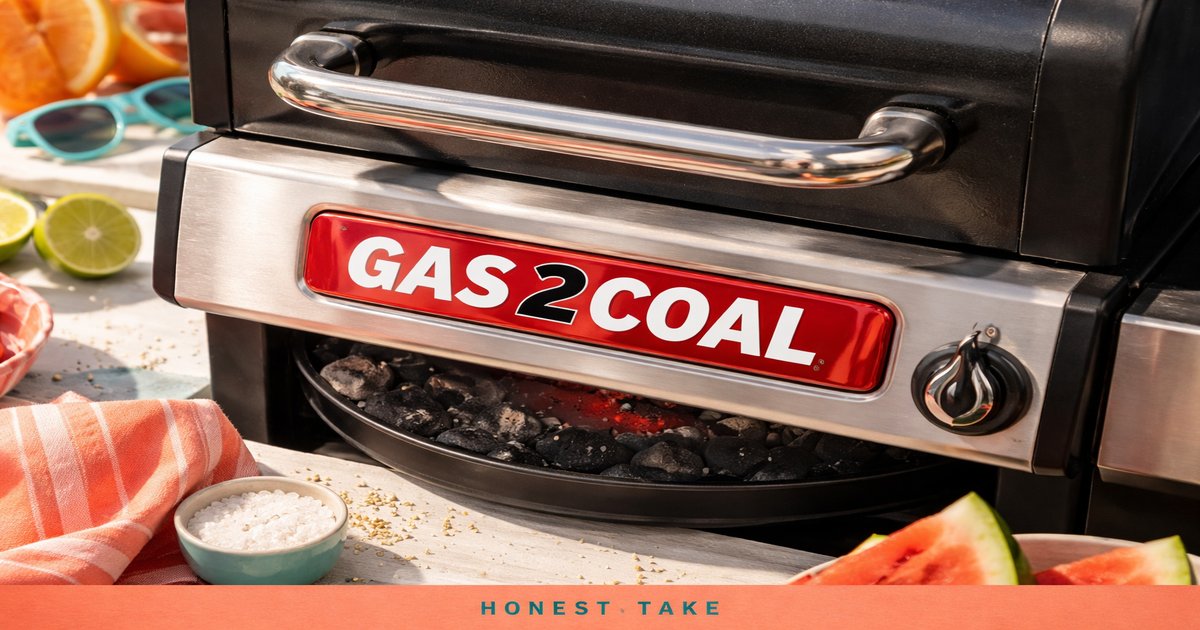
- Comes with an infrared burner for high-heat searing.
- More affordable price point.
- Longer warranty period.
❌ napoleon Cons
- Smaller primary cooking area.
- Lower BTU output than Weber.
Performance
When you’re firing up the grill for a big family BBQ, performance is king. Weber’s Genesis II E-335 delivers consistent heat across a larger cooking area, ensuring every burger and hot dog gets the perfect sear. Napoleon’s Rogue XT 425, while not as powerful, brings the heat with its infrared burner, making it ideal for those who love to sear a steak at scorching temperatures. If you’re all about versatility and need more space, Weber has the edge, but Napoleon wins in specialized searing.
Build Quality
Weber grills are almost legendary for their robust construction. The Genesis II E-335 is no exception, with high-quality stainless steel that can withstand years of outdoor grilling without rusting. Napoleon, however, is no slouch. The Rogue XT 425 may not have the same heft, but its construction is solid and reliable. It’s built to last and comes with a longer warranty, giving you peace of mind for an extra five years over Weber.
Value for Money
Weber’s price point might give you pause, but you’re paying for premium performance and durability. If grilling is a staple in your lifestyle, that investment pays off. Napoleon, however, offers compelling value, especially if you’re budget-conscious. You get a solid grill with unique features like an infrared burner, all without breaking the bank. It’s the smart choice for occasional grillers who want quality without the hefty price tag.
Both grills have their quirks. Weber’s parts are pricier, so maintenance can cost you. Napoleon’s smaller cooking area might mean juggling food more often during larger cookouts. Hidden costs and compromises exist, so weigh these factors before pulling the trigger.
Our Final Verdict: Which One Should You Buy?
If you’re a grilling enthusiast who values high performance and durability, and you’re willing to pay for it, go with the Weber Genesis II E-335. It’s built like a tank and will serve you well for years. On the other hand, if you’re looking for a more budget-friendly option that still offers solid performance and unique features like an infrared burner, the Napoleon Rogue XT 425 is your go-to. It’s perfect for occasional grillers who want to get the most bang for their buck.
Does the Weber Genesis II E-335 come with a rotisserie kit?
No, the rotisserie kit is sold separately, but it is compatible with the Genesis II E-335.
Can you use natural gas with the Napoleon Rogue XT 425?
Yes, but you’ll need a conversion kit to switch from propane to natural gas.
How often should I clean my grill to ensure longevity?
Regular cleaning after each use and a deep clean every few months will help maintain your grill’s condition and performance.