







In a world where the hum of engines and the rush of traffic fill our daily lives, the debate around commuting options has become increasingly relevant. As urban populations swell and environmental concerns escalate, the question looms larger: Is it time to rethink our reliance on cars and taxis? Enter the realm of pedal power and public transit-two alternatives that offer a breath of fresh air, both literally and figuratively. In this exploration, we will navigate the dynamic landscape of commuting, examining the benefits and challenges of cycling and public transportation. By shedding light on these options, we aim to inspire a re-evaluation of how we approach our daily journeys, fostering a greater awareness of the impact our choices have on our communities and the planet. Join us as we delve into the merits of swapping the steering wheel for handlebars or transit passes, and discover how small changes can lead to meaningful transformations in our commuting habits.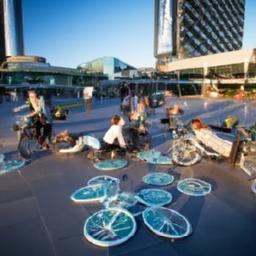
Exploring Sustainable Alternatives: The Benefits of Biking and Public Transport
As urban areas continue to expand, seeking sustainable commuting options becomes increasingly vital.Opting for biking and public transport not only contributes to reducing carbon footprints but also enhances overall well-being. Biking offers an engaging way to incorporate physical activity into daily routines, promoting fitness while minimizing congestion on the roads. Likewise, public transport provides a cost-effective solution, enabling passengers to relax during their commute instead of battling traffic. Here are a few key benefits to consider:
- Environmental Impact: Reduced emissions and less air pollution.
- Health Benefits: Engaging in regular physical activity through cycling.
- Cost Savings: Significant savings on fuel, parking, and vehicle maintainance.
- Time Efficiency: Possibly quicker journeys during peak hours due to dedicated bike lanes and transit routes.
When evaluating these alternatives side by side, the differences become clearer. The following table illustrates the direct comparisons of each method:
| Factor | Biking | Public Transport |
|---|---|---|
| Cost | Low (minimal maintenance) | Moderate (monthly passes available) |
| Travel Time | Variable (depends on distance) | Variable (depends on schedule) |
| Health | High (exercise included) | Low (sedentary experience) |
| Environmental Benefit | Very High (zero emissions) | High (lower emissions per passenger) |
Making conscious choices about how we commute can significantly influence our habitat and quality of life.By embracing these sustainable alternatives, communities can work towards a greener future, while enhancing individual health and well-being.

Transforming Your Daily Journey: Practical Tips for a car-Free Commute
Making the shift to a car-free commute can be both refreshing and liberating. Consider these practical strategies to elevate your daily journey:
- Cycle Your way: Invest in a good quality bike. Cyclists often enjoy the freedom of maneuverability and love the rush of fresh air.
- Public Transit: Familiarize yourself with local transit options. Buses, trams, and trains can easily become your new best friends, providing a chance to read, relax, or even catch up on work.
- Walking: Embrace the simplest form of travel. Walking not only saves you money but also adds a physical fitness component to your day.
- Carpooling: team up with coworkers or friends. Sharing rides reduces your overall environmental footprint and can turn commuting into a social outing.
- Flexible Hours: if possible, adjust your work hours to avoid peak traffic times. This can make your commute smoother and more enjoyable.
By integrating these practices into your routine, you’ll not just transform your commute, but also experience a broader perspective on your environment and connections with others.
Future Outlook
As we navigate the complexities of modern transportation,it becomes increasingly clear that the choices we make in our daily commutes do not merely effect our personal journeys; they resonate within the fabric of our communities and the health of our planet. Pedal power and public transit offer not just alternatives to cars and taxis, but gateways to a more sustainable and connected way of living.
By rethinking our commuting habits, we open ourselves to a world of possibilities-an possibility to embrace a pace of life that is both invigorating and mindful. Whether it’s the rhythmic cadence of pedaling through your neighborhood or the tranquility of settling into a train seat, these modes of travel invite us to engage with our surroundings, celebrate our localities, and reduce our carbon footprint.
As we weigh the merits of these transportation options, let us also consider the larger picture. each choice, small or significant, contributes to a collective shift towards a more environmentally-conscious society. It’s time to reclaim our streets, foster the welfare of our cities, and harness the joys of movement beyond the confines of four wheels. So, as you stand at the crossroads of your commute, remember: every pedal stroke or subway stop is a step towards redefining not just how we travel, but how we connect with the world around us. Welcome to the journey ahead.